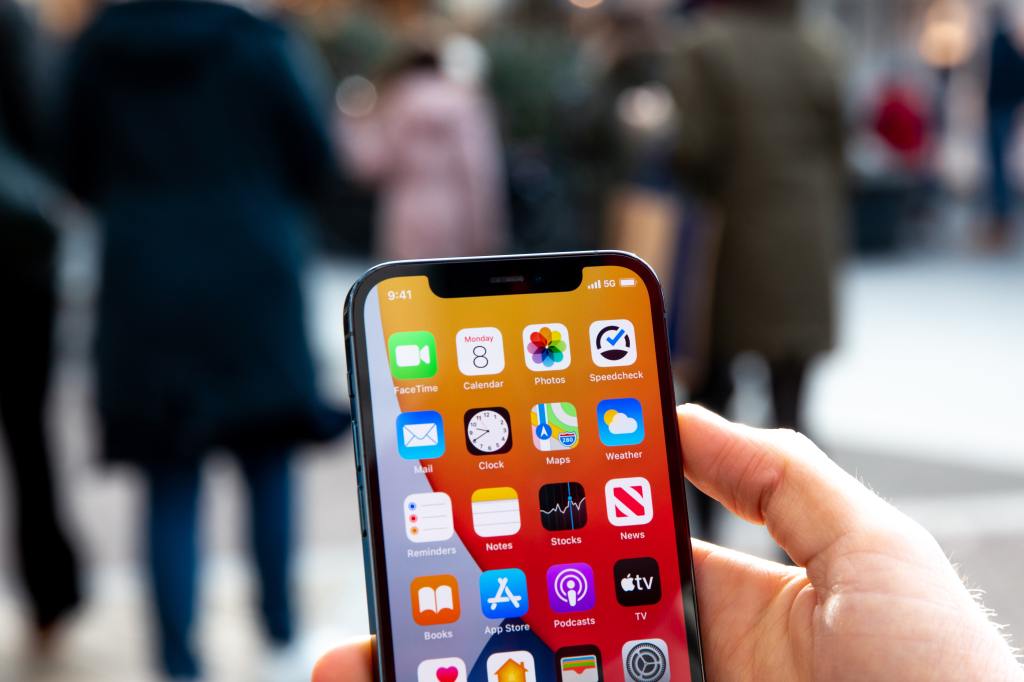
A new iPhone –
probably the iPhone 13 but maybe the iPhone 12S – is coming in 2021, even if you’re only just wrapping your head around the iPhone 12 family but we have new leaks and rumor’s of new iPhone.
Apple’s new iPhones for 2021 are likely to launch toward the end of the year, but we’re hearing news from a variety of sources about what to expect on the next-gen iPhone 13, iPhone 13 Pro and iPhone 12 Pro Max. From everything we’ve heard so far, the iPhone 13 is set to offer a 120Hz LTPO DISPLAY on both Pro models, improved battery life thanks to a more efficient 5G modem, as well as substantial upgrades to the all-important cameras. That includes a LiDAR sensor on cheaper iPhone 13 and iPhone 13 mini, as well as a new portrait video mode.
Based on all the rumors and leaks out there already, here’s everything we know about the iPhone 13.
- The iPhone 13 could come with a new-always on display, portrait mode video and clever way to shoot the night sky.
- A leak has claimed the iPhone 13 mini still on its way.
iPhone 13 price
A report from analyst Ming-Chi Kuo said that Apple will once again offer four sizes for the iPhone 13. So you can expect a 5.4-inch iPhone 13 mini, a 6.1-inch iPhone 13, a 6.1-inch iPhone 13 Pro and a 6.7-inch iPhone 13 Pro Max.
We’d expect these to cost the same as the iPhone 12 range, so $699, $799, $999 and $1,099, respectively. Apple tends to keep its pricing structure fairly rigid from generation to generation, so we’re not expecting any increase to the sticker price.
iPhone 13 name
Early rumors about this fall’s iPhone have used iPhone 13 as the name for the upcoming model, since Apple went from from the iPhone 11 to the iPhone 12 last year. But a handful of recent rumors have referred to the unreleased iPhone by a different name
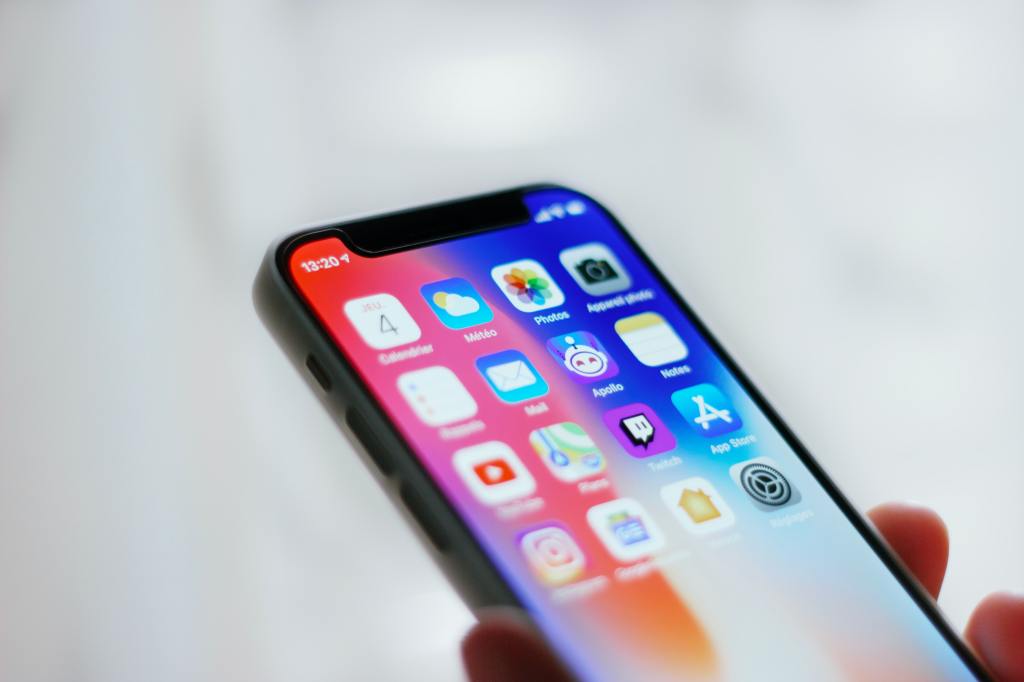
Slapping an “s” at the end of a model number would actually be a return to form for Apple, which used to alternate between releasing a new model number and then an “s” version of that same phone the following year. The last phone to fit into that pattern was the iPhone 6s, released in 2015. (Technically, 2018’s iPhone XS could be part of that naming scheme, though at the same time, Apple also introduced the iPhone XR.)
The “s” model of iPhones generally implied that the phone had a lot in common with last year’s version, save for a few key improvements. So whether Apple goes with the iPhone 12s or iPhone 13 as a name will say a lot about how different this year’s phone truly is.
iPhone 13 Touch ID
According to a report in Bloomberg, Apple is working on offering an in-display fingerprint sensor for the iPhone 13. This would be in addition to Face ID.
A separate report in the Wall Street Journal details that Apple will be using a new in-screen optical fingerprint sensor to pull off Touch ID. Samsung phones use an ultrasonic reader, but the claim is that the optical variety could be more accurate in Apple’s implementation.
Kuo noted that Apple viewed both biometric technologies as complementary, with the potential to work well together, so we could potentially see the iPhone 13 sport Face ID and Touch ID. Given that the current version of Face ID can’t recognize people with masks, and Apple updated its iOS software to better accommodate users with face masks,
iPhone 13 display
iPhone 13: iPhone 12 Pro Max review display
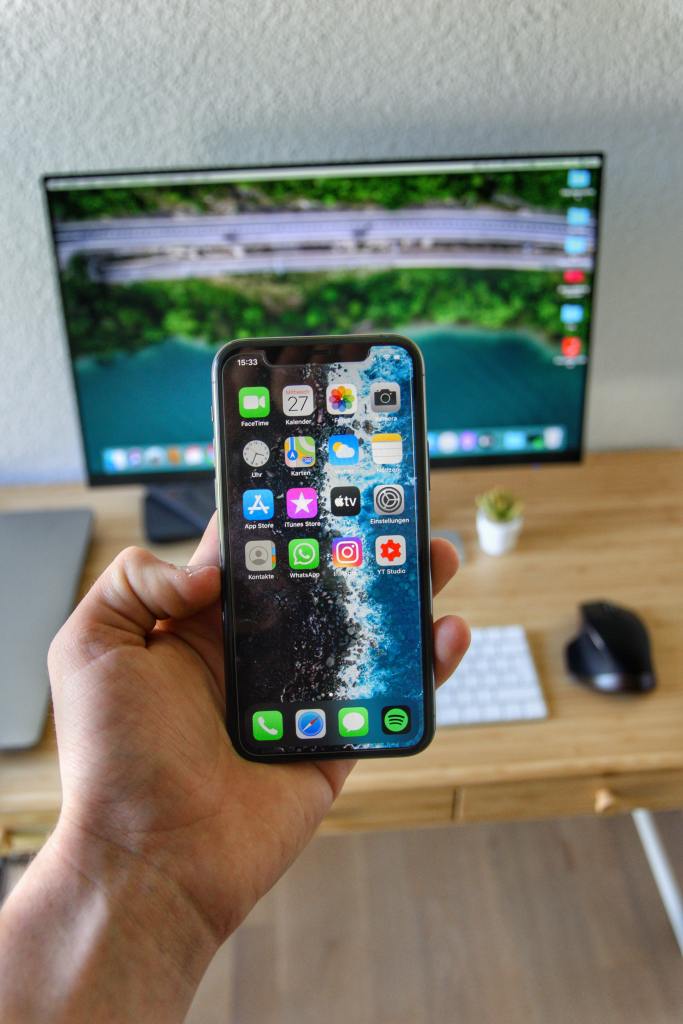
If Apple sticks to having four models of iPhone 13, then we can expect the displays to measure in at 5.4 inches, 6.1 inches, and 6.7 inches.
A report from ET News says that Apple will adopt a 120Hz refresh rate for the 6.1-inch iPhone 13 Pro and 6.7-inch iPhone 13 Pro Max. This will allow for smoother scrolling as well as improved gameplay and video playback.
That leak was given further credence by a more recent one that noted the two iPhone 13 Pro models will get the 120Hz display, which will be able to dynamically scale its refresh rate up or down depending on what’s being viewed courtesy of an LTPO panel from Samsung Display. This will help save on battery life.
And the nature of an LTPO panel means it doesn’t need extra components under the display to enable an adaptive refresh rate, meaning phones with such screens can sport a thin chassis. In the iPhone 13, an LTPO display could enable the phone to not only have a super smooth refresh rate but also keep the neat frame of the iPhone 12.
Recent leaks have the iPhone 13 tipped to use an always-on display, something the LTPO tech could certainly facilitate. And a recent video shows how it could work. An always-on display would finally give Apple’s iPhones a feature that Android phones have had for some time.
iPhone 13 specs
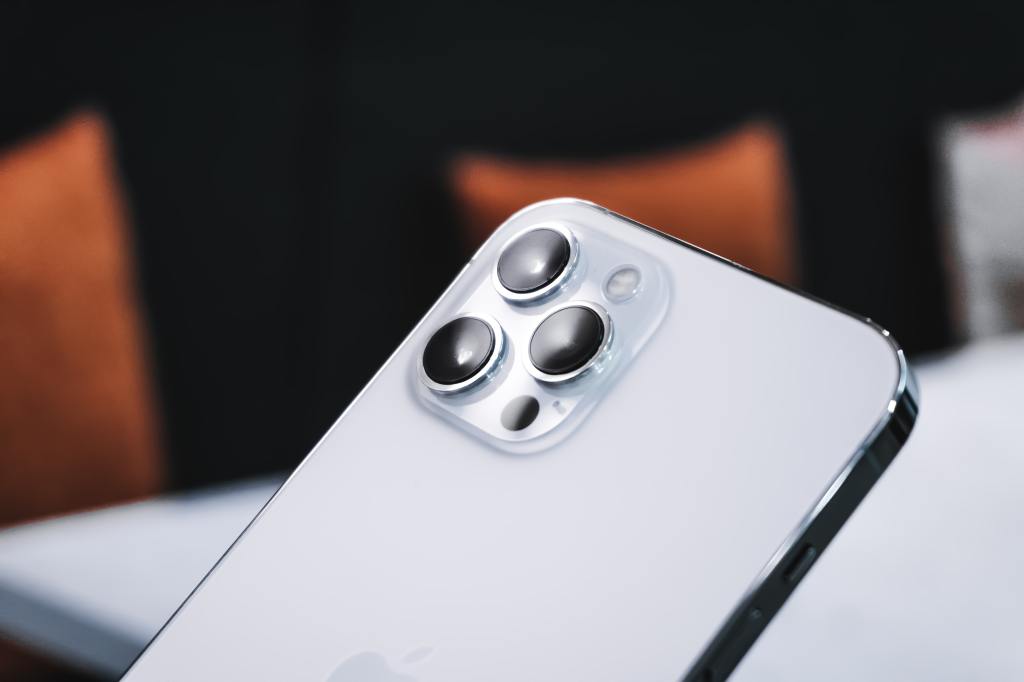
As night follows day, so to can we expect a chip upgrade for the iPhone 13 over its predecessor. It’s likely this will come in the form of the A15 Bionic, a successor to the very powerful A14 Bionic in the iPhone 12.
This new system-on-a-chip (SoC) could be a reasonable upgrade on the A14 Bionic, likely boosting overall performance and efficiency. A major upgrade doesn’t look likely until the iPhone 14, when Apple could potentially make a chip based on a 4-nanometer process node. Currently, the A14 Bionic inside the iPhone 12 is a 5nm chip.
However, the iPhone 13 could get a big boost in terms of wireless connectivity. Documentation of Apple’s settlement with Qualcomm revealed that Apple has plans to use Qualcomm’s X60 5G modem in upcoming iPhones, which will likely include the iPhone 13. This is important because the 5nm X60 modem can integrate directly into a phone’s chipset, meaning a smaller footprint and lower battery drain. There’s also the possibility of Apple turning to Qualcomm’s newly unveiled X65 5G modem, which can deliver speeds of up to 10 Gbps — not that current 5G networks are coming anywhere near that mark.
Plus, the 5G performance should be better, as the modem can combine mmWave and sub-6GHz 5G networks simultaneously. Furthermore, the iPhone 13 is tipped to come with Wi-Fi 6E, a variation on the Wi-Fi 6 standard that will support even faster wireless speeds.
source; Toms guide
pic source: unsplash

